The beginning of a new year has always carried a particular tension for art photography. On the one hand, the medium is rooted in patience, slowness, and reflection. On the other, it exists in a visual culture that accelerates relentlessly, demanding novelty, relevance, and instant resonance. As the calendar turns, photographers find themselves standing between continuity and reinvention, asking not what is fashionable, but what feels necessary.
The dominant trends emerging this year do not announce themselves loudly. There is no single aesthetic revolution, no universal look. Instead, contemporary art photography seems to be fragmenting into quieter, more personal directions. The spectacle is receding. Intention is returning.
One of the clearest developments is a renewed focus on materiality and imperfection. After years of hyper-clean digital imagery and algorithm-friendly polish, many photographers are deliberately embracing texture, noise, blur, and physical traces of process. Film is part of this movement, but not its entirety. Even digital works increasingly simulate fragility rather than perfection. Over the coming months, this tendency is likely to deepen, not as nostalgia, but as resistance to frictionless visual consumption.
Closely related is a shift toward slower narratives. Photographic series are replacing standalone images, not as formal projects for gallery walls, but as unfolding visual essays. Artists are allowing ideas to breathe across multiple frames, sometimes even across months or years. The new year marks a continued departure from the isolated “strong image” toward bodies of work that reward sustained attention. As audiences grow fatigued by visual overload, photography that asks for time may quietly gain more influence.
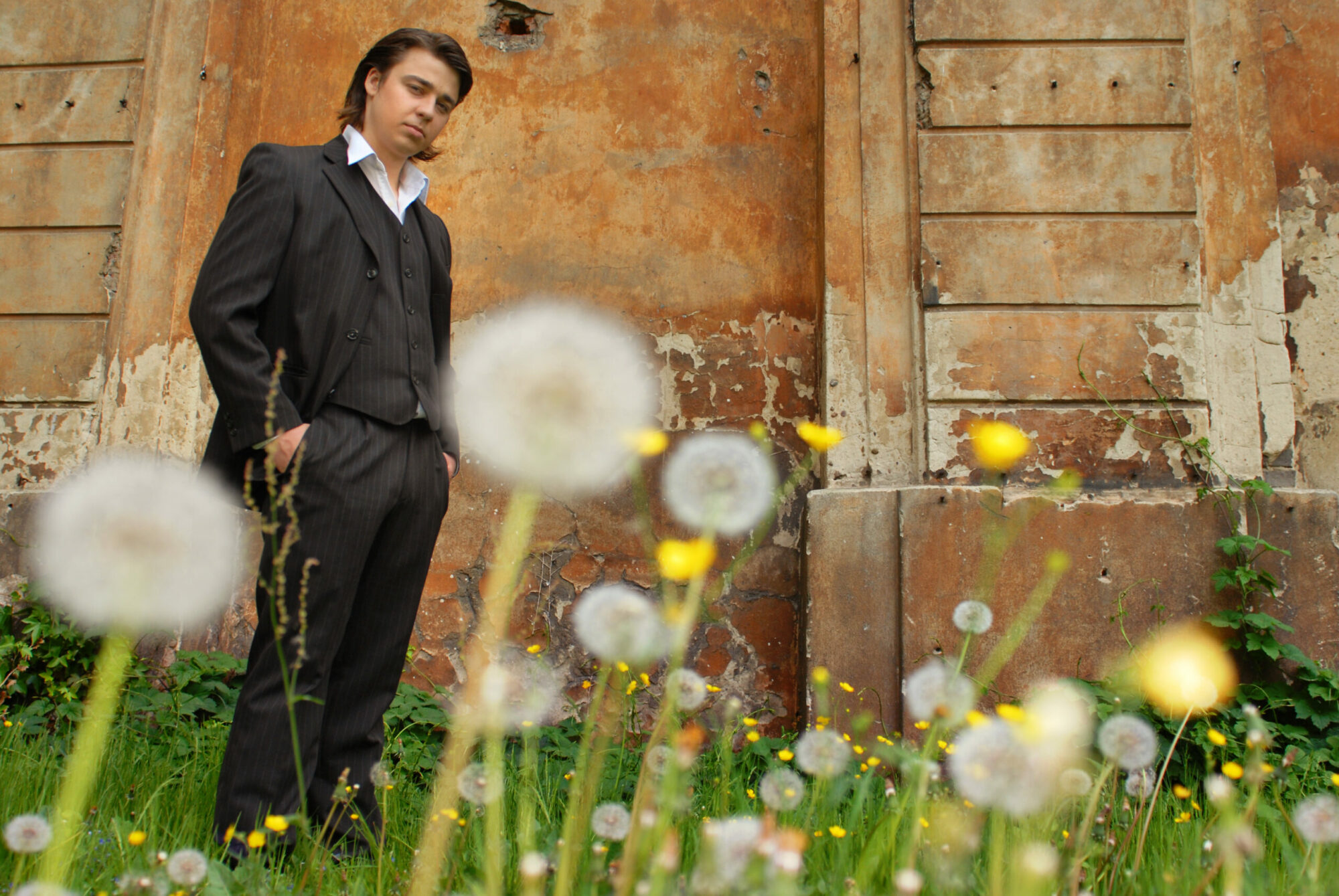
Portraiture, too, is changing its posture. The trend is moving away from dominance and spectacle toward intimacy and ambiguity. Faces are partially obscured, gazes diverted, gestures unresolved. Identity is no longer presented as a fixed statement, but as a momentary condition. Over the next months, this approach will likely intersect more strongly with autobiographical and diaristic practices, blurring the line between self-portrait, documentation, and fiction.
Another notable direction is the growing acceptance of hybrid visual languages. Photography is increasingly comfortable coexisting with text, sound, archival material, and digital artifacts. This does not signal the loss of photography’s identity, but rather its expansion. In the coming year, more photographers will treat the image as one element within a larger conceptual framework instead of the final destination. The photograph becomes a sentence rather than a headline.
Artificial intelligence continues to hover at the edges of the discourse, but its role in art photography remains more philosophical than practical. Rather than competing with generative systems, many artists are using them as conceptual counterpoints. Questions of authorship, authenticity, and intention are becoming central themes. In the months ahead, this conversation will mature, shifting from technical fascination to ethical and aesthetic inquiry.
Perhaps the most important trend is also the least visible. There is a growing rejection of urgency. Fewer photographers feel compelled to comment immediately, to react instantly, or to align their work with topical cycles. The new year brings a subtle confidence: the understanding that relevance can emerge from distance, not proximity.
As these trends develop, they suggest a medium recalibrating its relationship with time, attention, and meaning. Art photography in the coming year is unlikely to become louder or faster. It will become more deliberate. More selective. More honest.
The new year, then, does not promise a clear direction. It offers something more valuable: permission to slow down, to question form, and to let images unfold without explanation. In a world that rarely pauses, this may be photography’s quietest and strongest gesture.