A New Year in Still Images: Where Art Photography Is Heading Next

The beginning of a new year has always carried a particular tension for art photography. On the one hand, the medium is rooted in patience, slowness, and reflection. On the other, it exists in a visual culture that accelerates relentlessly, demanding novelty, relevance, and instant resonance. As the calendar turns, photographers find themselves standing between continuity and reinvention, asking not what is fashionable, but what feels necessary.
The dominant trends emerging this year do not announce themselves loudly. There is no single aesthetic revolution, no universal look. Instead, contemporary art photography seems to be fragmenting into quieter, more personal directions. The spectacle is receding. Intention is returning.

One of the clearest developments is a renewed focus on materiality and imperfection. After years of hyper-clean digital imagery and algorithm-friendly polish, many photographers are deliberately embracing texture, noise, blur, and physical traces of process. Film is part of this movement, but not its entirety. Even digital works increasingly simulate fragility rather than perfection. Over the coming months, this tendency is likely to deepen, not as nostalgia, but as resistance to frictionless visual consumption.

Closely related is a shift toward slower narratives. Photographic series are replacing standalone images, not as formal projects for gallery walls, but as unfolding visual essays. Artists are allowing ideas to breathe across multiple frames, sometimes even across months or years. The new year marks a continued departure from the isolated “strong image” toward bodies of work that reward sustained attention. As audiences grow fatigued by visual overload, photography that asks for time may quietly gain more influence.

Portraiture, too, is changing its posture. The trend is moving away from dominance and spectacle toward intimacy and ambiguity. Faces are partially obscured, gazes diverted, gestures unresolved. Identity is no longer presented as a fixed statement, but as a momentary condition. Over the next months, this approach will likely intersect more strongly with autobiographical and diaristic practices, blurring the line between self-portrait, documentation, and fiction.

Another notable direction is the growing acceptance of hybrid visual languages. Photography is increasingly comfortable coexisting with text, sound, archival material, and digital artifacts. This does not signal the loss of photography’s identity, but rather its expansion. In the coming year, more photographers will treat the image as one element within a larger conceptual framework instead of the final destination. The photograph becomes a sentence rather than a headline.

Artificial intelligence continues to hover at the edges of the discourse, but its role in art photography remains more philosophical than practical. Rather than competing with generative systems, many artists are using them as conceptual counterpoints. Questions of authorship, authenticity, and intention are becoming central themes. In the months ahead, this conversation will mature, shifting from technical fascination to ethical and aesthetic inquiry.

Perhaps the most important trend is also the least visible. There is a growing rejection of urgency. Fewer photographers feel compelled to comment immediately, to react instantly, or to align their work with topical cycles. The new year brings a subtle confidence: the understanding that relevance can emerge from distance, not proximity.

As these trends develop, they suggest a medium recalibrating its relationship with time, attention, and meaning. Art photography in the coming year is unlikely to become louder or faster. It will become more deliberate. More selective. More honest.

The new year, then, does not promise a clear direction. It offers something more valuable: permission to slow down, to question form, and to let images unfold without explanation. In a world that rarely pauses, this may be photography’s quietest and strongest gesture.
The Modern Way of Taking Photos

Is It Still Necessary to Invest Thousands in Camera Equipment?

Photography has undergone a dramatic transformation over the past two decades. What was once a technical discipline requiring expensive equipment, specialized knowledge, and patience is now a daily habit for many people. The widespread availability of smartphones with impressive camera capabilities has democratized photography. This raises a key question: In the digital age, is it still necessary or even sensible to invest thousands of euros in professional camera gear?

A Technological Shift

Modern smartphones come equipped with advanced camera systems featuring multiple lenses, computational photography, night modes, and AI-assisted scene recognition. These innovations allow anyone to capture decent images with minimal effort. A spontaneous photo taken in the right light can go viral on social media within minutes—without the need for a tripod, RAW editing, or a DSLR.

At the same time, traditional photography hasn’t disappeared—it has evolved. The technical precision of today’s DSLRs or mirrorless cameras (from brands like Canon, Nikon, Sony, or Fujifilm) offers resolution, dynamic range, and optical quality that smartphone cameras, despite their rapid development, cannot fully match—especially in specialized areas like studio, sports, nature, or night photography.

The Question of Necessity

Whether an expensive camera is worth the investment today depends more than ever on one’s goals:

  • For hobby photographers who enjoy capturing beautiful images or occasionally creating photo books, a high-end smartphone is often more than sufficient. The quality is adequate for social media, web use, and even high-quality prints up to a certain size.
  • For semi-professional or professional photographers, the situation is different. Those producing image series for magazines, exhibitions, or advertising campaigns often need control over depth of field, low-light sensor performance, color depth, lens selection, or lighting systems. In these cases, professional camera equipment remains indispensable.
  • For artistic photography, where composition, lighting, and visual storytelling are paramount, the physical feel of the device also matters. Often, the process of slowing down and consciously composing a shot becomes part of the creative expression. Here, the camera is not just a tool—it’s part of the vision.

The Emotional Aspect

There’s also an emotional and ideological component. For many photographers, their camera is a trusted companion over the years. Investing in high-quality gear is a statement of one’s artistic intent. Someone who spends significant time with a subject will photograph it differently than someone just snapping in passing.

At the same time, smartphones haven’t stifled creativity—they’ve redefined it. Platforms like Instagram, VSCO, and mobile editing apps like Lightroom have created new visual languages. A “good photo” no longer has to be technically perfect—it should move, surprise, or provoke thought.

Conclusion

The modern way of photographing is more diverse and accessible than ever before. Whether it makes sense to invest thousands in camera gear depends on personal motivation and intended use. For many, a smartphone is now more than enough. For others, a professional camera remains an essential creative tool. In the end, it’s not about the device—it’s about the eye behind it, and the story a photo is meant to tell.

opensea.io

OpenSea can be useful for various purposes, depending on your interests and goals:

  1. Buying and Selling Digital Assets: If you’re interested in purchasing or selling digital collectibles, artwork, virtual land, or other digital assets, OpenSea provides a marketplace where you can do so.
  2. Discovering New Content: OpenSea hosts a wide range of digital assets created by artists, developers, and creators from around the world. It can be a platform for discovering new and unique digital content.
  3. Investment Opportunities: Some people view certain NFTs as investment opportunities, and OpenSea provides a platform for buying and selling these assets. However, it’s important to do thorough research and understand the market dynamics before investing.
  4. Supporting Creators: By purchasing NFTs on OpenSea, you can directly support the creators and artists behind the digital assets you’re interested in.
  5. Blockchain Technology Exploration: OpenSea operates on blockchain technology, specifically Ethereum. Engaging with OpenSea can provide insights into how blockchain and NFTs work, if you’re interested in learning more about these technologies.

However, it’s also important to recognize that the NFT market can be volatile, and not all digital assets on OpenSea will retain or increase in value. As with any investment or online marketplace, it’s essential to exercise caution and conduct due diligence.

And, by the way, you can buy !gutacker art:

https://opensea.io/collection/gutacker-photography

Light and Shadow

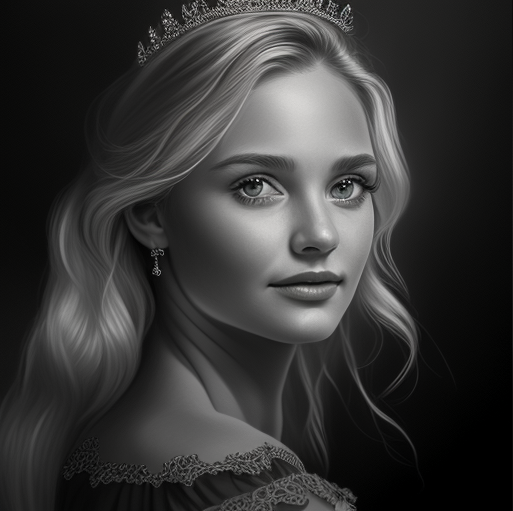
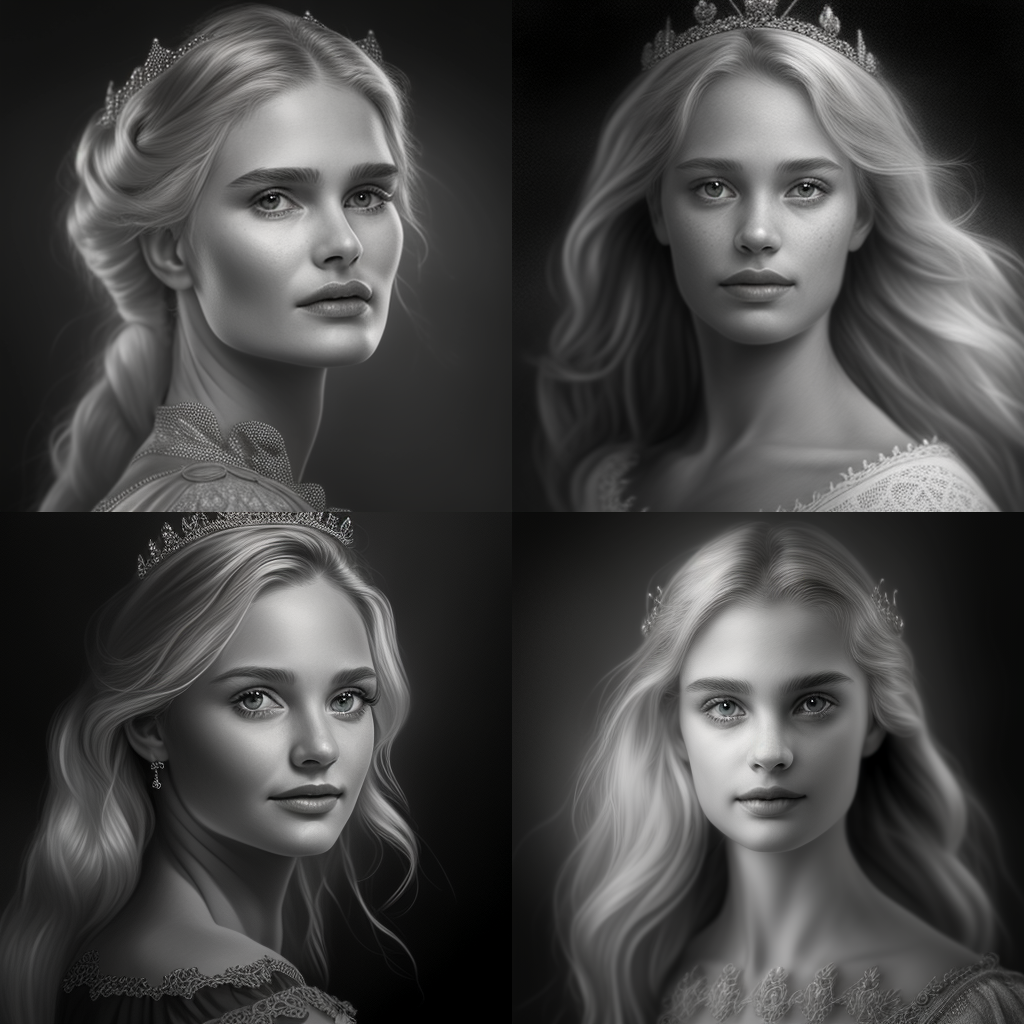
Fineart Princess

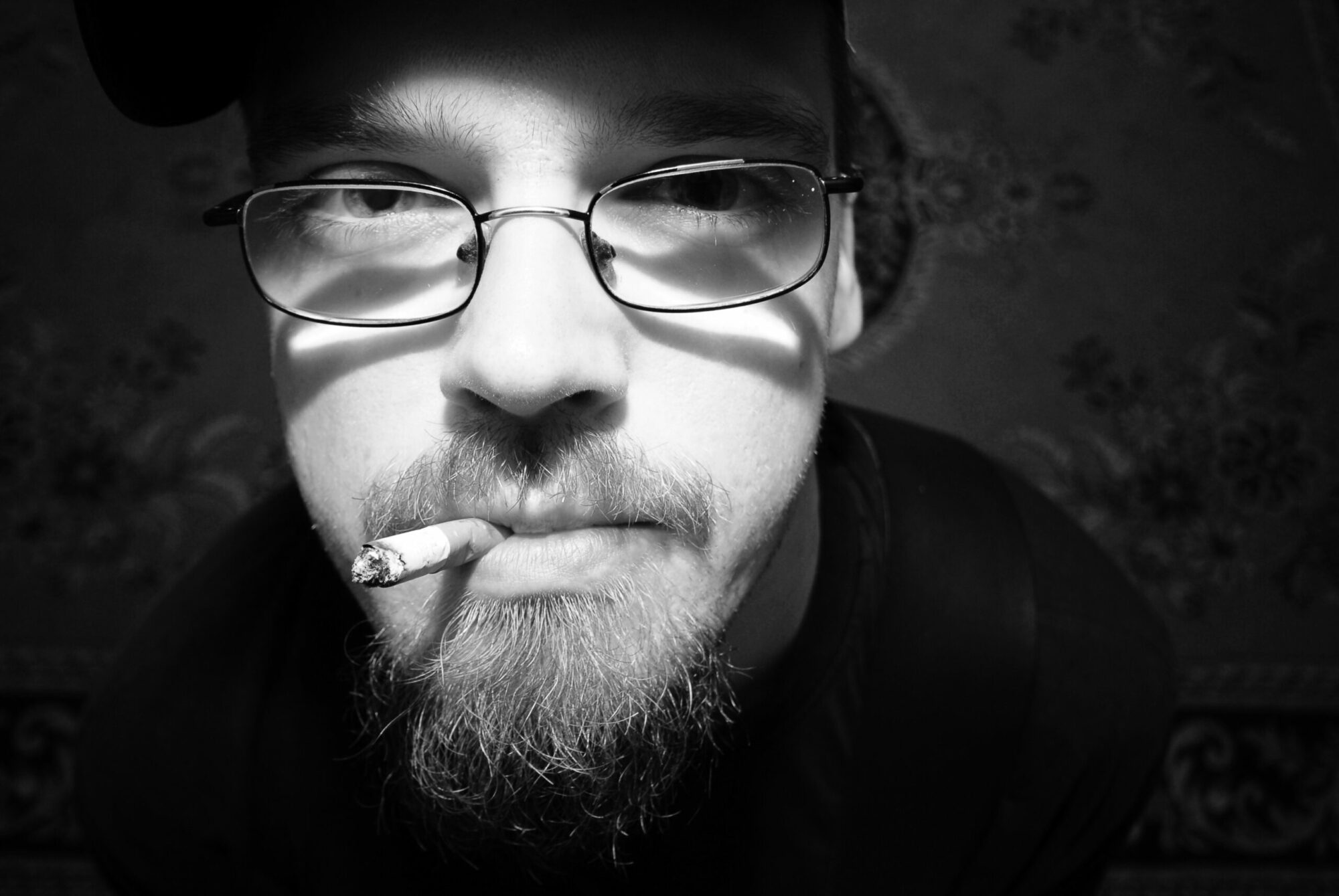
Light and shadow are essential elements in fine art photography, as they can be used to create depth, contrast, and atmosphere in a photograph. By manipulating the direction, intensity, and quality of light, a photographer can draw the viewer’s attention to specific parts of the image and convey a range of emotions and moods.

One way light and shadow can be used in fine art photography is to create depth. By using strong shadows, a photographer can create a sense of three-dimensionality in the image and make it feel more lifelike. This can be achieved through techniques such as backlighting, where the light source is placed behind the subject, or chiaroscuro, where the subject is lit from one side while the other side is in shadow.

Contrast is another important aspect of fine art photography, and it can be achieved through the use of light and shadow. By placing a bright light source next to a dark shadow, a photographer can create a high contrast image that draws the viewer’s attention to the point of contrast. This can be used to highlight specific details or create a sense of drama in the image.

Light and shadow can also be used to create atmosphere in a photograph. By using soft, diffuse light, a photographer can create a sense of tranquility and peacefulness in the image. On the other hand, harsh, directional light can create a sense of tension and drama. The quality of the light, whether it is warm or cool, can also affect the mood of the image.

In conclusion, light and shadow are essential elements in fine art photography, as they can be used to create depth, contrast, and atmosphere in an image. By manipulating the direction, intensity, and quality of light, a photographer can draw the viewer’s attention to specific parts of the image and convey a range of emotions and moods.

Fineart Princesses

Is photography art?

Photography has been around for a long time and it is often debated whether it is art or not. The debate about photography as an art form dates back to 1839, when Louis Daguerre presented his invention of the daguerreotype to the world. Some people such as John Ruskin, an English writer and critic, believed that photography was not art because it was mechanical and lacked imagination.

This debate continued for many years until the 1970s when new technologies emerged that changed the way we think about photography as an art form.

In the modern era, photography is an art form that captures moments in time. It can be a representation of our world, or it can be a creative expression of the photographer’s vision.

The word “photography” comes from two Greek words: “phos” meaning light and “graphien” meaning to draw or to write. Photography is a drawing with light and it’s also writing with light.

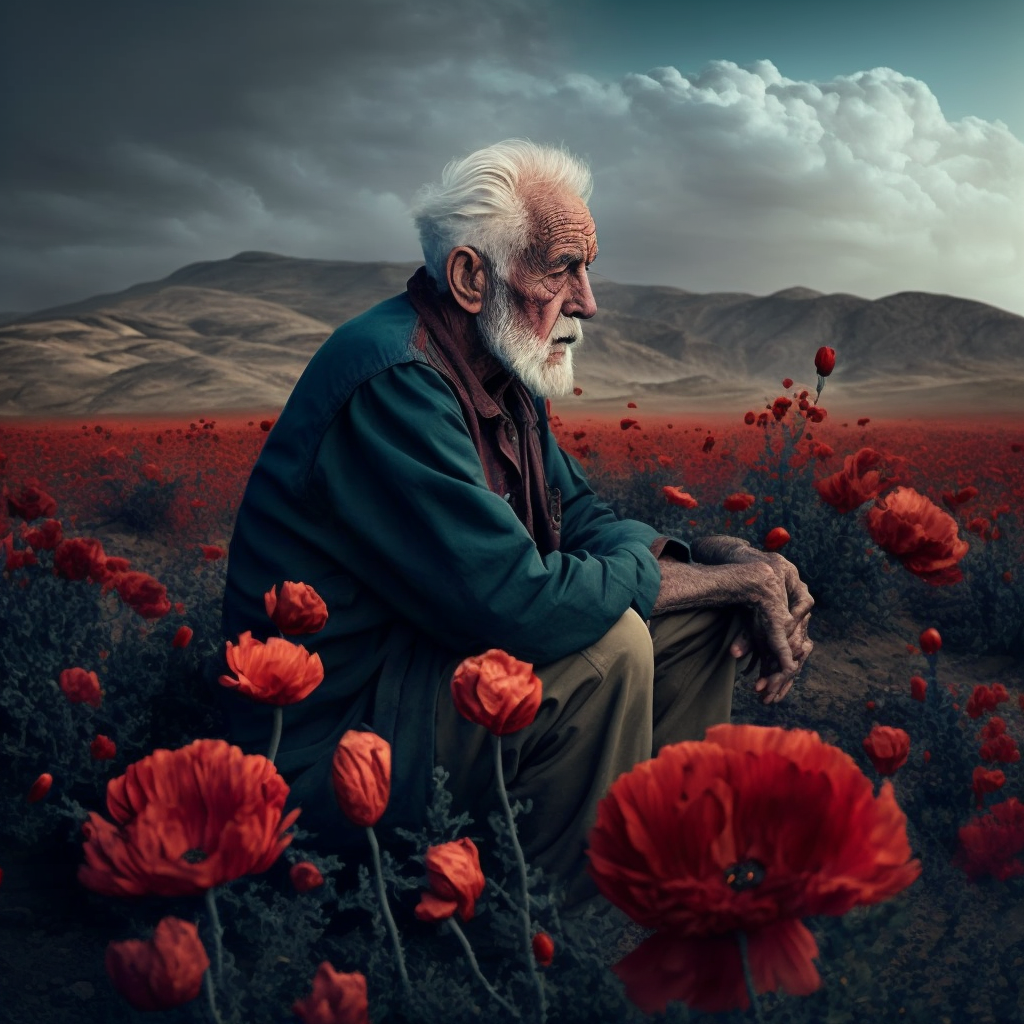
An old man sitting in a field of poppies

Photographs are made up of light and shadow. The photographer uses various techniques such as aperture, shutter speed, film sensitivity and depth of field to control the intensity and quality of these elements in their images.

Some people argue that it is not art because it does not involve the use of any materials. However, there are many ways in which photography can be considered as an art form.

Photography is one of the most popular forms of visual arts, and there are many reasons why it can be considered as an art form. For instance, it requires creativity and imagination to capture the perfect shot. It also requires technical skills to make sure that you have the right equipment and lighting for your shots.